 by
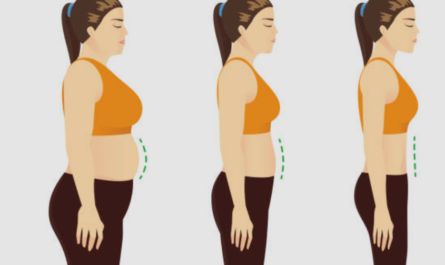
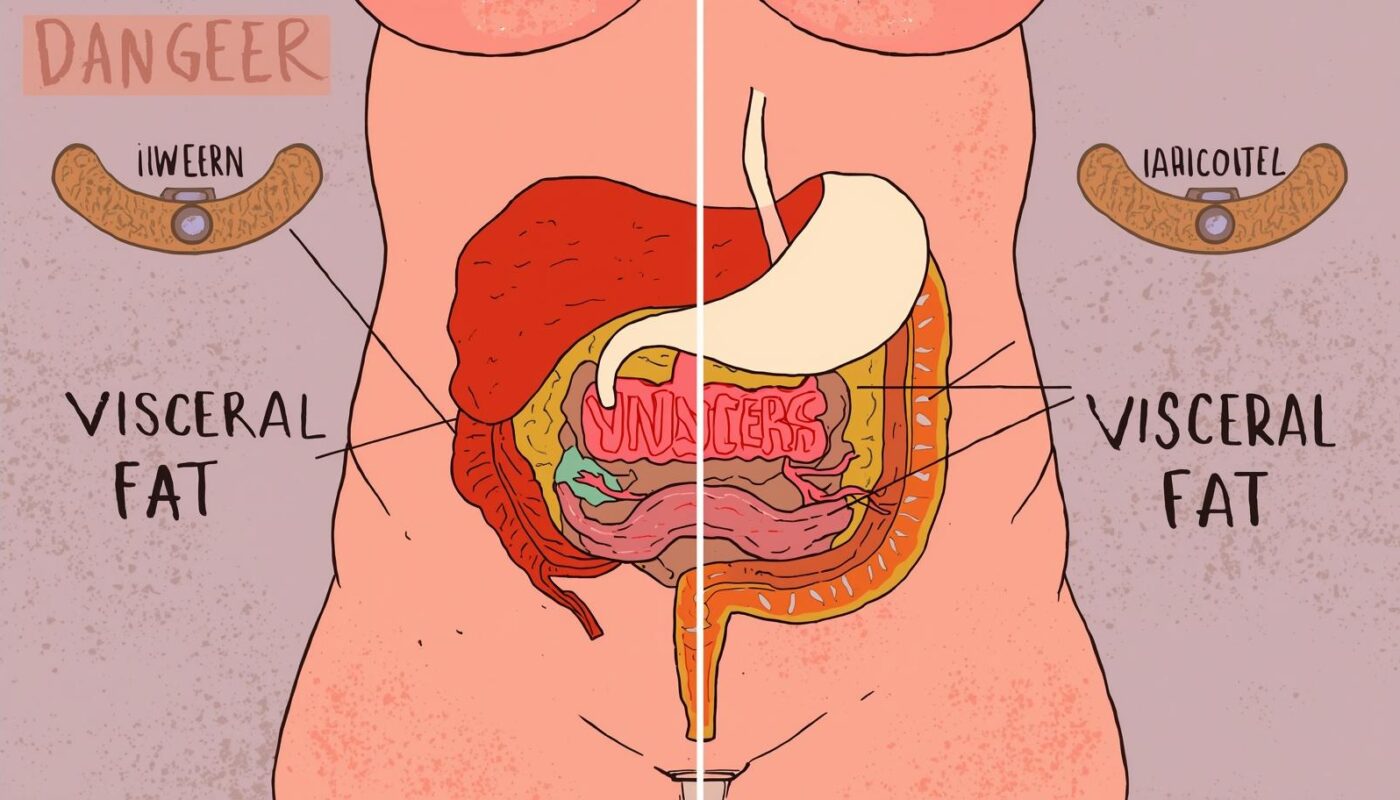
by Belly fat is more than just an aesthetic concern it is a serious health risk that can silently damage the body over time. Unlike fat stored in other areas, abdominal fat, particularly visceral fat surrounds vital organs such as the liver, pancreas, and intestines. This type of fat is metabolically active and can very harmful changes in the body that lead to severe diseases.
Understanding Belly Fat
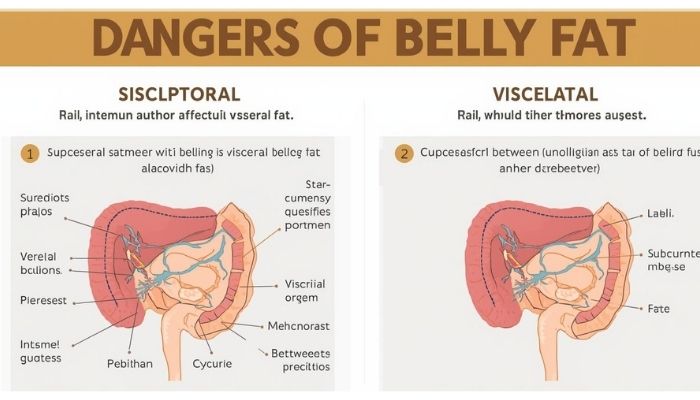
Belly fat is one of the most common health concerns faced by people of all ages. It is the extra fat stored around the abdomen and can be divided into two main types: subcutaneous fat, which lies just under the skin, and visceral fat, which surrounds vital organs such as the liver and intestines. While a small amount of fat is normal, excess belly fat is harmful and increases the risk of serious health problems, including heart disease, type 2 diabetes, high blood pressure, and hormonal imbalance. Poor eating habits, lack of physical activity, high sugar intake, stress, and poor sleep are major causes of belly fat. Unlike fat in other areas, belly fat is more metabolically active, meaning it releases harmful substances into the body. Understanding belly fat is the first step toward controlling it. With a balanced diet, regular movement, stress management, and healthy lifestyle choices, belly fat can be reduced safely and naturally over time.
The Hidden Dangers of Belly Fat
Belly fat is more than just a cosmetic issue; it hides serious health dangers. Excess fat around the abdomen, especially visceral fat, surrounds vital organs and increases the risk of heart disease, type 2 diabetes, and high blood pressure. It also disrupts hormone balance, leading to inflammation and a weaker immune system. People with high belly fat are more likely to face stroke, fatty liver disease, and metabolic disorders. What makes belly fat especially dangerous is that it can exist even in people who appear slim. Reducing belly fat through healthy eating and regular activity is essential for long-term health.
Causes of Belly Fat
Several lifestyle factors contribute to the build up of belly fat:
- Poor diet high in sugar, refined carbs, and processed foods.
- Lack of physical activity.
- Chronic stress and elevated cortisol levels.
- Inadequate sleep.
- Excessive alcohol consumption.
- Aging and hormonal changes.
How to Reduce Belly Fat
1. Adopt a Balanced Diet
Focus on whole foods such as fruits, vegetables, lean proteins, and healthy fats. Reduce sugar intake and avoid processed foods. Incorporate fiber-rich foods to improve digestion and promote satiety.
2. Exercise Regularly
Combine aerobic exercises like walking, running, or cycling with strength training. High-intensity interval training (HIIT) is particularly effective for burning visceral fat.
3. Manage Stress
Chronic stress increases cortisol, which promotes fat storage around the abdomen. Practice relaxation techniques such as meditation, yoga, or deep breathing.
4. Get Enough Sleep
Aim for 7–9 hours of quality sleep each night. Poor sleep disrupts hormones that regulate appetite and metabolism.
5. Limit Alcohol
Alcoholic beverages are high in calories and can contribute to fat accumulation around the waistline. Moderation is key.
Conclusion
Belly fat is more than a cosmetic issue it is a warning sign of deeper health problems. By making conscious lifestyle changes, it’s possible to reduce visceral fat, improve overall health, and lower the risk of chronic diseases. Taking action today can lead to a longer, healthier, and more energetic life.
Question =Why Belly Fat Is Slowly Destroying Your Health?
Ans = Belly fat releases harmful toxins, increasing risks of heart disease, diabetes, inflammation, and early health decline.
Question =what is the hidden dangers of Belly Fat answer?
Ans =Belly fat surrounds organs and releases harmful toxins, increasing risks of heart disease, diabetes, and inflammation.