
 by
by Introduction
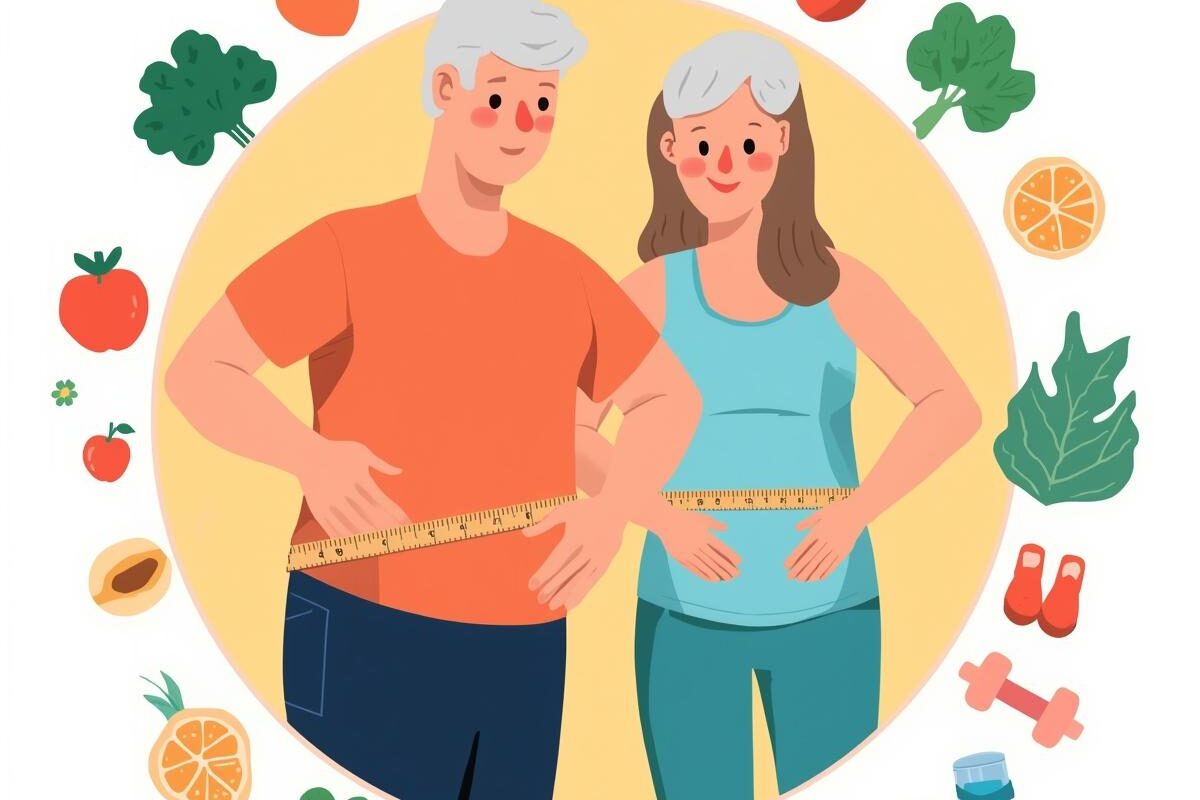
Many people notice that as they get older, their belly seems to grow even if their weight doesn’t change much. Clothes fit tighter around the waist, and losing fat becomes harder than before. This is a common experience, and it happens to both men and women. The increase in belly fat with age is not just about appearance. It is also linked to health. Understanding why this happens can help in finding ways to manage it and stay healthy.
This blog explains the main reasons belly fat increases with age.
What Is Belly Fat?
Belly fat, also called abdominal fat, is the fat stored around the stomach area. There are two main types:
- Subcutaneous fat – the soft fat just under the skin that can be pinched.
- Visceral fat – the deeper fat that surrounds internal organs like the liver and intestines.
Visceral fat is more dangerous because it can increase the risk of heart disease, diabetes, and other health problems. As people age, the body tends to store more fat in the belly area, especially visceral fat.
1. Slower Metabolism
One of the biggest reasons belly fat increases with age is a slower metabolism. Metabolism is the process by which the body converts food into energy. When people are young, their metabolism is faster, so they burn calories more easily. As they age, this process slows down.
After the age of 30, metabolism can drop by about 1–2% per decade. This means the body burns fewer calories at rest. If eating habits stay the same, the extra calories are stored as fat often around the belly.
Solution:
To boost metabolism, include regular physical activity, especially strength training. Building muscle helps the body burn more calories even when resting. Eating enough protein also supports muscle maintenance and keeps metabolism active.
2. Loss of Muscle Mass
As people age, they naturally lose muscle mass a condition called sarcopenia. Muscle burns more calories than fat, so when muscle decreases, the body uses less energy. This makes it easier to gain fat, even without eating more.
The loss of muscle also changes body shape. Fat tends to settle in the midsection, making the belly appear larger.
Solution:
Strength training is one of the best ways to fight muscle loss. Lifting weights, doing resistance exercises, or even bodyweight workouts like squats and push-ups can help maintain muscle. Aim for at least two to three sessions per week. Staying active in daily life walking, gardening, or climbing stairs also helps preserve muscle strength.
3. Hormonal Changes
Hormones play a big role in how the body stores fat. As people age, hormone levels change, and this affects fat distribution.
- In women, menopause causes a drop in estrogen levels. Estrogen helps control where fat is stored, and lower levels lead to more fat around the abdomen instead of the hips and thighs.
- In men, testosterone levels gradually decrease with age. Lower testosterone can lead to muscle loss and increased fat storage, especially in the belly area.
Solution:
While hormonal changes are natural, lifestyle choices can help balance their effects. Regular exercise, a healthy diet, and enough sleep can support hormone health. In some cases, doctors may recommend medical treatments or hormone therapy, but these should always be discussed with a healthcare professional.
4. Changes in Activity Levels
As people get older, they often become less active. Work, family responsibilities, or health issues can reduce the time spent moving. Less physical activity means fewer calories burned, which leads to fat gain.
Even small decreases in movement like sitting more and walking less can make a big difference over time. The body stores unused energy as fat, and the belly is one of the first places it shows.
Solution:
Stay active every day. Walking, swimming, cycling, or dancing are great ways to keep moving. Try to get at least 30 minutes of moderate exercise most days of the week. Even short bursts of activity, like taking the stairs or stretching during breaks, can help.
5. Poor Diet Choices
Diet plays a major role in belly fat gain. As metabolism slows, eating the same amount of food as before can lead to weight gain. Diets high in sugar, refined carbs, and processed foods make the problem worse. These foods cause blood sugar spikes and increase fat storage, especially around the abdomen.
Alcohol can also contribute to belly fat. Drinks like beer, wine, and cocktails add extra calories and can affect how the body burns fat.
Solution:
Focus on a balanced diet rich in whole foods. Include fruits, vegetables, lean proteins, whole grains, and healthy fats. Limit sugary snacks, fried foods, and processed items. Drinking plenty of water and reducing alcohol intake can also help control belly fat.
6. Stress and Cortisol
Chronic stress can lead to weight gain, especially around the belly. When stressed, the body releases a hormone called cortisol, which increases appetite and encourages fat storage in the abdominal area. Over time, high cortisol levels can make it harder to lose belly fat.
Solution:
Managing stress is key. Activities like yoga, meditation, deep breathing, or spending time in nature can help lower stress levels. Getting enough sleep and maintaining social connections also support emotional well-being and reduce cortisol.
7. Lack of Sleep
Sleep affects many body functions, including metabolism and appetite. Poor sleep can disrupt hormones that control hunger, making people crave high-calorie foods. It also reduces energy levels, leading to less physical activity.
Studies show that adults who sleep less than seven hours a night are more likely to gain belly fat over time.
Solution:
Aim for 7–9 hours of quality sleep each night. Keep a regular sleep schedule, avoid screens before bed, and create a calm sleeping environment. Good sleep helps the body recover, balance hormones, and manage weight more effectively.
8. Genetics and Body Type
Genetics also play a role in how and where the body stores fat. Some people are naturally more likely to gain weight around the belly. While genes cannot be changed lifestyle choices can still make a big difference.
Solution:
Even if genetics make belly fat more likely, healthy habits can reduce its impact. Regular exercise, mindful eating, and stress management can help control weight and improve overall health.

9. Aging and Insulin Resistance
As people age, the body can become less sensitive to insulin the hormone that helps control blood sugar. This condition, called insulin resistance, makes it easier for the body to store fat, especially in the belly area. It also increases the risk of type 2 diabetes.
Solution:
Eating balanced meals with fewer refined carbs and more fiber can help manage blood sugar levels. Regular exercise, especially aerobic and strength training, improves insulin sensitivity. Maintaining a healthy weight also reduces the risk of insulin resistance.
10. The Importance of Consistency
The increase in belly fat with age doesn’t happen overnight and neither does losing it. The key is consistency. Small, steady changes in diet, exercise, and lifestyle can make a big difference over time.
Solution:
Set realistic goals and focus on long-term habits rather than quick fixes. Celebrate progress, stay patient, and remember that healthy living is a lifelong journey.
Conclusion
Belly fat tends to increase with age due to slower metabolism, muscle loss, hormonal changes, and lifestyle factors. While these changes are natural, they are not impossible to manage. With regular exercise, a balanced diet, good sleep, and stress control, it’s possible to maintain a healthy waistline and feel strong at any age.
Aging is a part of life, but gaining belly fat doesn’t have to be. By understanding the causes and making smart choices, anyone can stay fit, confident, and healthy through every stage of life.