
 by
by Introduction
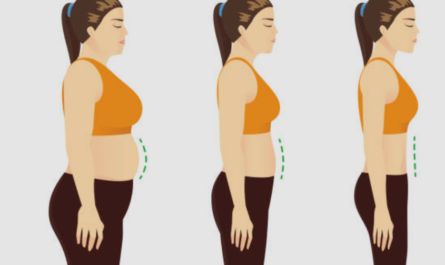
Belly fat also called abdominal fat. The fat stored around your stomach and organs. The soft fat you can pinch under your skin. This type of fat is the most harmful because it is linked to serious health problems.
Belly fat, scientifically known as visceral fat, is the extra fat that hangs out around your midsection. It is not just the fat you can pinch but also the sneaky fat lurking deeper inside, around your organ. On the other hand, belly fat (also called visceral fat) is very harmful. This kind of fat accumulates in your abdominal cavity, wrapping around your organs and pushing your belly farther and farther out. Visceral fat cells release hormones and other chemicals that are linked to diseases.
Belly fat create problem
There are a couple of kinds of fat in your body. The fat just below your skin (the kind you can pinch) is called subcutaneous fat. You usually find this on your thighs, glutes, and upper arms, and while it may not be pretty, it’s not really dangerous.
On the other hand, belly fat (also called visceral fat) is very harmful. This kind of fat accumulates in your abdominal cavity, wrapping around your organs and pushing your belly farther and farther out. Visceral fat cells release hormones and other chemicals that are linked to diseases.
The biggest risk of visceral fat is cardiovascular disease – as your waistline expands, so too does the risk you’ll develop heart disease. Other big health concerns include asthma, colorectal and breast cancer, dementia, diabetes, stroke, migraines, and more. Why Belly Fat is Dangerous.
Ways To Decrease Belly Fat
The good news is that you may be able to control your belly fat. You won’t be surprised to hear it starts with a healthy lifestyle. A proper diet and regular exercise. Any intervention that leads to sustained weight loss will reduce belly fat, but regular exercise lowers belly fat proportionally more than it lowers overall weight according to leatest search from Southwestern. These results define exercise is a key weapon in the battle against belly fat.
More encouraging is that reduce belly fat lower the risk for heart disease and diabetes. The leatest study that lowered belly fat reduced the risk for the most common kind of heart failure in older adults. Therefore, even if you have an unfavorable body fat distribution, you can do something about it.
Good Diet
Avoid foods that are high in simple sugars or saturated fat. The Mediterranean Diet, which incorporates lots of olive oil, can reduce your risks. There is some evidence that suggests vegetable oil may cause fat to collect in the abdominal region, while olive oil consumption may promote fat going to less-harmful areas of the body.
Daily Exercise
Make sure to get regular exercise. Aerobic exercise is more effective than resistance training at distributing fat to the best places in the body but both are beneficial. In addition to redistributing fat, exercise builds lean muscle mass. As a result, a person’s BMI may not change, but there is still a health benefit.
Question Answer
1-What is belly fat?
Ans=Belly fat is the excess fat that builds up around the stomach and waist area
2- why belly fat is dangerious?
Ans= Belly fat is dangerous because it increases the risk of serious health problems like heart disease, type 2 diabetes, high blood pressure, and hormonal imbalance.
3- Which ways to decrease Belly Fat
Ans=Eat a balanced diet with more fruits, vegetables
Conclusion
Belly fat is dangerous because it is closely linked to serious health problems such as heart disease, type 2 diabetes, high blood pressure and hormonal imbalance. Unlike fat in other areas, belly fat surrounds vital organs and releases harmful substances that affect the body’s normal functions. Reducing belly fat through a healthy diet, regular physical activity proper sleep, and stress control is essential not just for a better appearance but for long-term health and a longer, more active life.